Source Low Pressure Lpg Storage Tank for Chemical, Fuel, and Gas
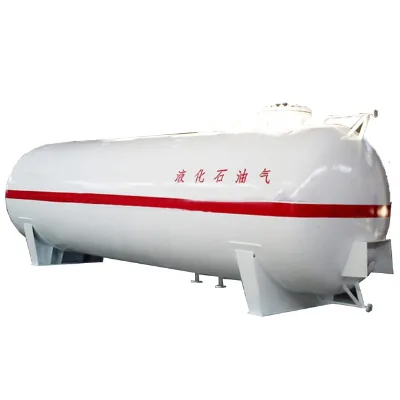
Compare 30 listings for low pressure lpg storage tank options including carbon steel and customized designs. Buyers can evaluate specifications like working pressure, capacity, and mounting types from verified Chinese manufacturers.
Key considerations
Products List


$5000.00 - $100000.00
Moq: 1


$2000.00 - $4000.00
Moq: 1



Comprehensive Sourcing Guide
Strategic Sourcing Guide for Low Pressure LPG Storage Tanks
Navigating the procurement landscape for low-pressure LPG storage tanks requires a meticulous approach that balances technical specifications, regulatory compliance, and supplier reliability. The core keyword "low pressure lpg storage tank" often leads buyers to a diverse range of equipment, including vessels designed for liquefied gas storage and transportation. In the context of the available market data, these assets frequently operate within specific pressure bands, such as medium pressure ranges defined as 1.6MPa to 10.0MPa, or customized working pressures that may extend below 1.61MPa. Understanding these nuances is the first step in ensuring that the acquired equipment aligns with the intended operational environment, whether for stationary storage or mobile transport applications.
Technical Specifications and Design Parameters
When evaluating potential units, buyers must scrutinize the fundamental design parameters that define the vessel's capability and safety profile. The observed market data indicates a significant variation in capacity, ranging from small-scale units of 0.5 cubic meters up to massive installations of 1000 cubic meters. This wide spectrum suggests that procurement strategies must be highly customized to the specific volume requirements of the facility. The physical dimensions are equally critical; for instance, specific models may feature shell designs with precise dimensions such as 9912mm in length, 2628mm in width, and 3218mm in height, tailored for truck trailer applications.
Material selection is another pivotal technical factor. The supply chain frequently utilizes high-strength carbon steel, with specific grades like SA-516, SA-612, and Q370r appearing in product descriptions. These materials are selected for their ability to withstand the mechanical stresses associated with storing flammable and toxic media. The design pressure is a critical safety metric, with observed values often centering around 1.61 MPa or 1.724 MPa, though customization is a standard offering. Similarly, the working pressure is typically defined as less than 1.61 MPa or 1.724 MPa, with hydrotest pressures reaching as high as 2.22 MPa or 2.25 MPa to ensure structural integrity under stress.
The operating temperature range is also a key specification, with many units designed to function between -20°C and 50°C, while others may accommodate ambient temperatures from -40°C to 60°C. Buyers should verify the corrosion allowance, which is often standardized at 1.0mm, to ensure the vessel's longevity in corrosive environments. The mounting type, whether horizontal or vertical, must align with the spatial constraints of the installation site. Furthermore, the distinction between storage pressure vessels and other types, such as reaction or separation vessels, is vital, as the intended function dictates the internal configuration and safety features required.
Compliance, Certification, and Regulatory Standards
Ensuring that the storage tank meets international and local regulatory standards is non-negotiable for safe and legal operation. The market data highlights adherence to major design standards, specifically ASME and GB (Guobiao) standards. These frameworks govern the engineering, fabrication, and testing of pressure vessels to ensure they can safely contain pressurized gases. Buyers must verify that the supplier provides documentation confirming compliance with these specific design codes.
Certification plays a central role in validating the quality and safety of the equipment. The observed listings frequently mention certifications such as GB, TUV, and ISO. These third-party validations provide assurance that the manufacturing process has undergone rigorous inspection and testing. For example, TUV certification often implies adherence to European safety norms, while ISO certification indicates a commitment to quality management systems. It is essential for buyers to request current, valid certificates for each unit, as these documents are often required for insurance purposes and regulatory inspections.
The distinction between different certification levels and their applicability to the specific region of operation cannot be overstated. While some data points mention CE certification as a background possibility, buyers should not assume this status without explicit verification from the supplier. The primary focus should remain on the explicitly stated certifications like GB, TUV, and ISO. Additionally, the "New" condition of the equipment is a standard requirement, with many listings specifying 100% new units. This ensures that the vessel has not been subjected to prior wear and tear that could compromise its structural integrity or safety rating.
Cost Drivers and Pricing Structures
The pricing of LPG storage tanks is influenced by a complex array of factors, including capacity, material grade, customization level, and compliance requirements. The observed price range in the market spans from $1,000 to $1,000,000, reflecting the vast difference between small, standardized units and large, custom-engineered vessels. A tank with a capacity of 0.5 cubic meters will naturally command a lower price than a 1000 cubic meter installation, but the cost per unit of volume often decreases as the size increases due to economies of scale.
Material costs are a significant driver, particularly when high-strength carbon steel or specialized alloys like SA-516 are required. The thickness of the shell design, which is often customized, directly impacts the amount of raw material used and, consequently, the final price. Customization is a major cost factor; while many suppliers offer standard models, bespoke designs for specific pressure levels, temperatures, or mounting types will incur additional engineering and fabrication costs.
The Minimum Order Quantity (MOQ) observed in the market is typically 1 unit, which offers flexibility for buyers with varying project sizes. However, buyers should be aware that while the MOQ is low, the lead time and logistical costs may vary significantly based on the order volume and the complexity of the customization. Packaging methods, such as wooden crates or cartons, also contribute to the overall cost, especially for international shipments where robust packaging is necessary to prevent damage during transit.
Typical Applications and Operational Context
LPG storage tanks serve a variety of critical applications, primarily centered around the storage and transportation of liquefied petroleum gas. The data indicates that these vessels are designed for storing flammable and toxic media, making them essential for the energy sector, industrial processing, and commercial distribution networks. The specific application often dictates the configuration of the tank. For instance, units designed for truck trailers, identified by their use as "Truck Trailer" equipment, are optimized for mobility and transport efficiency. These units often feature specific dimensions and mounting types suitable for road transport regulations.
In contrast, stationary storage tanks are designed for long-term storage at industrial sites or distribution centers. These units may have larger capacities, ranging up to 1000 cubic meters, and are built to withstand continuous operation in fixed locations. The filling medium, whether LPG or propane, influences the internal design and safety features required. The payload capacity, observed to range from 0.25 to 500 tons, is another critical factor that determines the tank's suitability for specific logistical operations.
The versatility of these vessels is further highlighted by their ability to function as storage pressure vessels, reaction pressure vessels, or separation pressure vessels, depending on the process requirements. This multifunctionality allows buyers to select equipment that can adapt to changing operational needs. However, the primary function remains the safe containment of liquefied gas, requiring a robust design that can handle the specific properties of the stored medium.
Supplier Evaluation and Quality Assurance
Selecting the right supplier is as important as selecting the right equipment. Buyers should prioritize suppliers who demonstrate a clear track record of manufacturing high-quality pressure vessels. The origin of the equipment, often cited as China, specifically Hubei Suizhou, provides a geographical context for the manufacturing hub. While this location is a known center for industrial equipment production, buyers must verify the specific capabilities and reputation of the individual manufacturer.
Quality control is a critical aspect of the procurement process. Buyers should inquire about the supplier's quality assurance protocols, including the testing procedures used to verify the integrity of the welds, the accuracy of the pressure ratings, and the compliance with design standards. The presence of certifications like TUV and ISO is a strong indicator of a supplier's commitment to quality. Additionally, the condition of the equipment, consistently listed as "New," should be verified through inspection reports or third-party audits.
The customization capabilities of the supplier are also a key evaluation criterion. The ability to tailor the tank's capacity, pressure rating, and material composition to specific project needs is a valuable asset. Buyers should assess the supplier's engineering team to ensure they have the expertise to handle complex customization requests. Furthermore, the packaging standards, such as the use of wooden crates or external naxed packaging, should be evaluated to ensure the equipment will arrive in perfect condition.
Long-Term Procurement Considerations and Maintenance
Long-term procurement considerations extend beyond the initial purchase price to include maintenance, operational efficiency, and lifecycle costs. The design life of the tank, influenced by the material quality and corrosion allowance, is a critical factor. A corrosion allowance of 1.0mm is a standard specification that helps extend the service life of the vessel, but buyers should verify if this is sufficient for their specific operating environment.
Maintenance requirements should be clearly understood before purchase. The working temperature range and pressure ratings dictate the frequency and type of inspections required. Regular hydrostatic testing, often performed at pressures higher than the working pressure (e.g., 2.22 MPa), is essential to ensure ongoing safety. Buyers should establish a maintenance schedule that aligns with the manufacturer's recommendations and regulatory requirements.
The availability of spare parts and technical support is another long-term consideration. Suppliers who offer comprehensive after-sales support, including training and maintenance services, can significantly reduce downtime and operational risks. The customization options also play a role in long-term viability, as the ability to upgrade or modify the tank in the future can extend its useful life.
Comparative Analysis of Key Specifications
To facilitate informed decision-making, the following table summarizes the key technical specifications observed in the market, providing a clear comparison of the variables that buyers should prioritize.
| Specification Category | Observed Range / Standard | Notes for Verification |
|---|---|---|
| Capacity | 0.5 m³ to 1000 m³ | Verify specific volume needs; custom options available. |
| Design Pressure | 1.61 MPa / 1.724 MPa | Confirm if this matches local regulatory limits. |
| Working Pressure | < 1.61 MPa / < 1.724 MPa | Ensure operational pressure stays within safe limits. |
| Material | SA-516, SA-612, Q370r, Carbon Steel | Check material certificates for grade verification. |
| Temperature Range | -20°C to 50°C (or -40°C to 60°C) | Match to local climate and process requirements. |
| Certifications | GB, TUV, ISO | Request valid certificates for each unit. |
| Condition | 100% New | Verify via inspection reports or factory audits. |
| Mounting Type | Horizontal or Vertical | Align with site layout and space constraints. |
| Application | LPG Storage, Transport, Reaction | Confirm suitability for intended use case. |
Conclusion
Sourcing low-pressure LPG storage tanks requires a balanced approach that integrates technical precision with strategic supplier evaluation. By focusing on the verified specifications, such as pressure ratings, material grades, and certification status, buyers can mitigate risks and ensure the acquisition of safe, reliable equipment. The wide range of capacities and customization options available in the market allows for tailored solutions that meet diverse operational needs. However, the complexity of these vessels necessitates a thorough understanding of the regulatory landscape and the importance of long-term maintenance. Buyers who prioritize these factors will be well-positioned to secure assets that deliver value and safety over their entire lifecycle.
FAQs
What is the working pressure range for these tanks?
The working pressure is typically less than 1.61 MPa or 1.724 MPa, with some units operating up to 1.75 MPa. Customized pressure ratings are available to meet specific operational requirements for storing flammable and toxic media.
Which materials are used for the tank shell construction?
Manufacturers use high-strength carbon steel grades such as SA-516, SA-612, and Q370r for shell construction. These materials ensure durability and safety when storing liquefied gas under medium pressure conditions.
Can the tank capacity be customized for specific needs?
Yes, the capacity is available from 0.5 cubic meters up to 1000 cubic meters or can be fully customized. This flexibility allows buyers to select units ranging from small mobile trailers to large stationary storage installations.
What design standards do these pressure vessels comply with?
These vessels are designed according to ASME and GB standards to ensure structural integrity and safety. Compliance with these major international and national codes is essential for legal operation and insurance requirements.
How is the tank condition and certification verified before purchase?
The equipment is supplied as 100% new with certifications including GB, TUV, and ISO. Buyers should verify these third-party validations to ensure the manufacturing process met rigorous quality and safety inspection protocols.
What is the typical operating temperature range for the vessel?
The standard working temperature range is between -20°C and 50°C, though some units accommodate -40°C to 60°C. Customized temperature ratings are available to suit specific environmental conditions and storage media properties.